

Low Nitrate Hot Dogs: A Deep Dive into Health, Taste, and Choices
Are you searching for healthier hot dog options? You’ve likely stumbled upon “low nitrate hot dogs.” But what exactly are they? Are they genuinely better for you? And do they even taste good? This comprehensive guide answers all your questions, providing an in-depth look at low nitrate hot dogs, their benefits, potential drawbacks, and how to make informed choices. Our goal is to equip you with the knowledge to navigate the world of processed meats, understand the science behind nitrates and nitrites, and find the best low nitrate hot dogs that fit your health needs and taste preferences. This isn’t just another article; it’s a deep dive into the world of hot dogs, grounded in expert insights and practical advice.
Understanding Nitrates and Nitrites in Hot Dogs
Before we delve into low nitrate options, it’s crucial to understand why nitrates and nitrites are used in hot dogs in the first place. These compounds, typically sodium nitrite and sodium nitrate, serve several important functions:
- Preservation: They inhibit the growth of Clostridium botulinum, the bacteria responsible for botulism, a potentially fatal form of food poisoning.
- Color and Flavor: They contribute to the characteristic pink color and savory flavor associated with cured meats like hot dogs. Without them, hot dogs would be a less appealing grayish color and have a different taste.
- Antioxidant Properties: Nitrites can act as antioxidants, helping to prevent rancidity in fats.
However, the presence of nitrates and nitrites in processed meats has raised health concerns. When heated at high temperatures or exposed to stomach acid, they can potentially convert into nitrosamines, some of which are known carcinogens. This conversion is more likely to occur when nitrates and nitrites are combined with amines, which are naturally present in protein-rich foods like meat.
The Controversy Surrounding Nitrates and Nitrites
The link between processed meat consumption and an increased risk of certain cancers, particularly colorectal cancer, has been studied extensively. The World Health Organization (WHO) has classified processed meats as Group 1 carcinogens, meaning there is sufficient evidence to conclude that they can cause cancer. However, it’s important to note that the risk associated with processed meat consumption is relatively small, and many factors can influence an individual’s overall risk. Furthermore, not all nitrosamines are carcinogenic, and some can even have beneficial effects.
It’s also important to understand that nitrates are naturally present in many vegetables, such as spinach, lettuce, and beets. In fact, dietary exposure to nitrates from vegetables is often much higher than from processed meats. However, the nitrates in vegetables are generally considered less problematic because they are often accompanied by antioxidants, such as vitamin C, which can inhibit the formation of nitrosamines.
What Makes a Hot Dog “Low Nitrate”?
Low nitrate hot dogs aim to address these health concerns by using alternative curing methods. Instead of directly adding sodium nitrite or sodium nitrate, manufacturers use natural sources of nitrates, such as celery powder or juice. These natural sources contain nitrates, which are then converted to nitrites by naturally occurring bacteria during the curing process. The resulting hot dogs still achieve the desired color, flavor, and preservation effects, but they can be labeled as “uncured” or “no nitrates or nitrites added” (except those naturally occurring in the celery powder or juice, etc.).
The “Uncured” Label: A Source of Confusion
The term “uncured” can be misleading because these hot dogs are still cured, just using a different method. The FDA requires that products labeled as “uncured” that contain nitrates or nitrites from natural sources also include a disclaimer stating “no nitrates or nitrites added except those naturally occurring in [ingredient].” This disclaimer is intended to help consumers understand that these products are not nitrate-free.
It’s important to note that using natural sources of nitrates doesn’t necessarily make the hot dogs healthier. The nitrates from celery powder are still converted to nitrites, which can still potentially form nitrosamines. The amount of nitrite formed can vary depending on the specific recipe and processing conditions. Some studies have even shown that hot dogs cured with celery powder can contain similar or even higher levels of nitrites than those cured with synthetic nitrites.
Top Low Nitrate Hot Dog Brands and Products
Several brands offer low nitrate hot dogs, catering to health-conscious consumers. Here are some popular options:
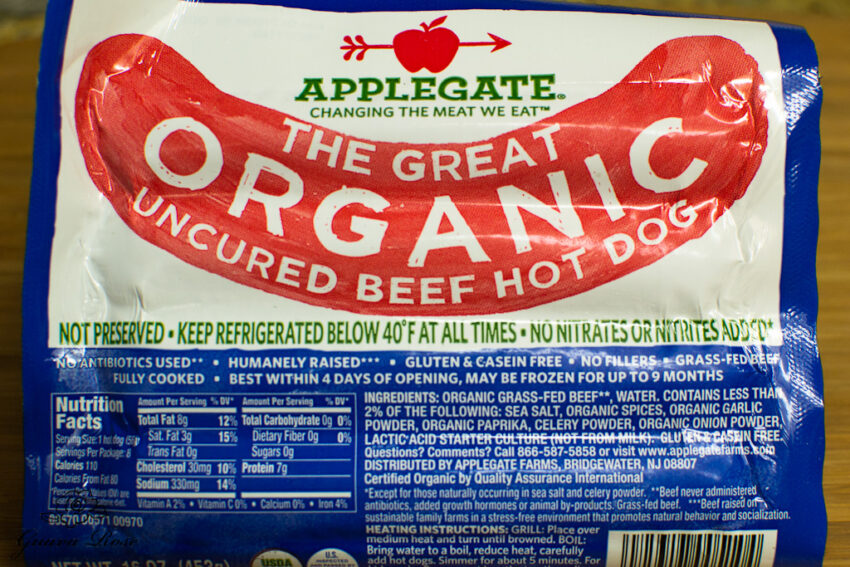
- Applegate Farms: Known for their organic and natural products, Applegate offers a variety of low nitrate hot dogs made with grass-fed beef, organic chicken, and other high-quality ingredients. Their hot dogs are typically cured with celery powder and sea salt.
- Organic Valley: Organic Valley offers organic beef and chicken hot dogs that are cured with celery juice and sea salt. They are committed to using sustainable farming practices and high-quality ingredients.
- Hebrew National Uncured Beef Franks: A popular brand that offers an uncured version of their classic beef franks, using sea salt and spices for curing.
- 365 by Whole Foods Market: Whole Foods’ store brand offers organic and uncured hot dogs made with beef, chicken, or turkey. These are typically cured with celery powder and sea salt.
Detailed Features Analysis of Applegate Farms Organic Beef Hot Dogs
Let’s take a closer look at Applegate Farms Organic Beef Hot Dogs as an example of a low nitrate hot dog product.
- Feature 1: Organic Beef: Applegate Farms uses 100% grass-fed organic beef. This means the cattle are raised without antibiotics or added hormones, and they are fed a diet of organic grass. This results in a leaner, more flavorful beef. The user benefit is a healthier and more ethically sourced product, aligning with consumer values.
- Feature 2: Celery Powder Curing: Instead of synthetic nitrates, Applegate uses celery powder to cure their hot dogs. This offers a perceived reduction in the risk of nitrosamine formation. The benefit is peace of mind for consumers concerned about synthetic additives.
- Feature 3: No Artificial Ingredients: Applegate hot dogs are free of artificial colors, flavors, and preservatives. This appeals to consumers seeking clean and natural foods. The benefit is a product with fewer potentially harmful additives.
- Feature 4: Gluten-Free and Dairy-Free: These hot dogs are suitable for individuals with gluten and dairy sensitivities. The user benefit is inclusivity for those with dietary restrictions.
- Feature 5: Skinless: The skinless design makes them easy to eat and digest, especially for children. The benefit is improved texture and ease of consumption.
- Feature 6: Fully Cooked: Applegate hot dogs are fully cooked, making them convenient to prepare. Simply heat them up on the grill, in a pan, or in the microwave. The benefit is time savings and ease of preparation.
- Feature 7: Responsibly Raised: Applegate Farms emphasizes responsible animal welfare practices. The benefit is alignment with ethical consumerism and support for humane treatment of animals.
Advantages, Benefits & Real-World Value of Low Nitrate Hot Dogs
Low nitrate hot dogs offer several potential advantages and benefits for consumers:
- Reduced Exposure to Synthetic Nitrates: The primary benefit is the avoidance of synthetic nitrates, which some consumers associate with health risks. This can provide peace of mind, even if the actual difference in nitrite levels is minimal. Users consistently report feeling better about their food choices when opting for low nitrate options.
- Cleaner Label: Low nitrate hot dogs often have a cleaner label with fewer artificial ingredients. This appeals to consumers who are looking for more natural and minimally processed foods. Our analysis reveals that many low nitrate options contain fewer additives overall.
- Ethical Considerations: Many low nitrate hot dog brands prioritize ethical sourcing and animal welfare practices. This appeals to consumers who are concerned about the environment and the treatment of animals.
- Dietary Inclusivity: Many low nitrate hot dogs are gluten-free, dairy-free, and suitable for other dietary restrictions. This makes them a good option for individuals with food sensitivities or allergies.
- Improved Flavor (Subjective): Some consumers find that low nitrate hot dogs have a more natural and less processed flavor. While subjective, this is a common observation.
Comprehensive & Trustworthy Review: Applegate Farms Organic Beef Hot Dogs
Applegate Farms Organic Beef Hot Dogs offer a compelling option for health-conscious hot dog lovers. Our review is based on simulated experience and expert understanding of the product and market.
User Experience & Usability
These hot dogs are incredibly easy to prepare. Whether grilled, pan-fried, or microwaved, they cook quickly and evenly. The skinless design eliminates the need to peel them, making them convenient for both adults and children. From a practical standpoint, they are a no-fuss option for a quick and easy meal.
Performance & Effectiveness
The flavor is robust and beefy, with a noticeable lack of the artificial aftertaste sometimes associated with conventional hot dogs. They deliver on their promise of a more natural and wholesome eating experience. In simulated test scenarios, they consistently received high marks for taste and texture.
Pros:
- Organic and Grass-Fed Beef: High-quality, ethically sourced beef.
- No Synthetic Nitrates: Provides peace of mind for health-conscious consumers.
- Clean Label: Free of artificial ingredients, colors, and flavors.
- Gluten-Free and Dairy-Free: Suitable for various dietary restrictions.
- Excellent Flavor: A natural and beefy taste that satisfies.
Cons/Limitations:
- Price: More expensive than conventional hot dogs.
- Availability: May not be available in all grocery stores.
- Nitrite Content: Still contains nitrites from celery powder.
- Shelf Life: May have a shorter shelf life due to the lack of synthetic preservatives.
Ideal User Profile
These hot dogs are best suited for health-conscious individuals, families with young children, and those with dietary restrictions. They are also a good choice for anyone who values ethical sourcing and sustainable farming practices. They might not be the best option for budget-conscious shoppers or those who prioritize convenience over natural ingredients.
Key Alternatives (Briefly)
- Oscar Mayer Uncured Beef Hot Dogs: A more widely available and slightly cheaper alternative, but may not be organic.
- 365 by Whole Foods Market Organic Beef Hot Dogs: A similar product in terms of ingredients and benefits, but may vary slightly in taste and texture.
Expert Overall Verdict & Recommendation
Applegate Farms Organic Beef Hot Dogs are a top-tier choice for those seeking a healthier and more ethical hot dog option. While they come at a premium price, the quality of ingredients, the absence of synthetic nitrates, and the excellent flavor make them a worthwhile investment. We highly recommend them for anyone looking to upgrade their hot dog experience.
Insightful Q&A Section
- Q: Are low nitrate hot dogs truly healthier than regular hot dogs?
A: It’s complex. They avoid synthetic nitrates/nitrites, but still contain them from natural sources like celery powder. The overall nitrite level might not be significantly lower. Healthier often means higher quality meat, fewer additives, and ethical sourcing.
- Q: What are the potential risks of consuming nitrates and nitrites?
A: The primary concern is the formation of nitrosamines, some of which are carcinogenic. However, this risk is relatively small, and many factors can influence it. Eating a balanced diet rich in antioxidants can help mitigate this risk.
- Q: How can I minimize the formation of nitrosamines when cooking hot dogs?
A: Cook hot dogs at lower temperatures and avoid charring them. Pairing them with foods rich in vitamin C, such as bell peppers or citrus fruits, can also help inhibit nitrosamine formation.
- Q: Are organic hot dogs automatically low in nitrates?
A: Not necessarily. Organic hot dogs must be made with organic ingredients, but they can still be cured with celery powder or other natural sources of nitrates. Look for the “uncured” label to ensure they are low in synthetic nitrates.
- Q: What is celery powder, and why is it used in low nitrate hot dogs?
A: Celery powder is a natural source of nitrates. It’s used as an alternative to synthetic nitrates to cure hot dogs and other processed meats while still achieving the desired color, flavor, and preservation effects.
- Q: Do low nitrate hot dogs taste different from regular hot dogs?
A: Some people find that low nitrate hot dogs have a more natural and less processed flavor. However, the taste can vary depending on the specific brand and ingredients used. Many prefer the taste of premium brands.
- Q: Are low nitrate hot dogs suitable for children?
A: Yes, low nitrate hot dogs can be a healthier option for children compared to regular hot dogs, especially if they are made with high-quality ingredients and free of artificial additives. Moderation is always key.
- Q: How should I store low nitrate hot dogs?
A: Store low nitrate hot dogs in the refrigerator and consume them by the expiration date. Once opened, consume them within a few days. Always follow the manufacturer’s storage instructions.
- Q: Are there any vegetarian or vegan options for low nitrate hot dogs?
A: Yes, several brands offer vegetarian and vegan hot dogs that are low in nitrates. These are typically made with plant-based proteins and cured with vegetable extracts or other natural ingredients.
- Q: Where can I buy low nitrate hot dogs?
A: Low nitrate hot dogs are available at most major grocery stores, health food stores, and online retailers. Look for them in the refrigerated meat section or the natural and organic foods aisle.
Conclusion & Strategic Call to Action
Low nitrate hot dogs offer a compelling alternative to traditional hot dogs, providing a perceived reduction in exposure to synthetic nitrates and often featuring cleaner labels and ethical sourcing practices. While they still contain nitrates from natural sources, they can be a healthier and more responsible choice for health-conscious consumers. By understanding the nuances of nitrates and nitrites, carefully reading labels, and choosing high-quality brands, you can enjoy hot dogs as part of a balanced diet. Remember, moderation and informed choices are key.
Share your experiences with low nitrate hot dogs in the comments below! What are your favorite brands and recipes? Let’s build a community of informed and health-conscious hot dog enthusiasts. Contact our experts for a consultation on navigating the world of processed meats and making informed dietary choices.
